By the time the lights go down at LIV, the race has almost become secondary.
That’s the reality of Formula 1 Miami weekend in 2026.
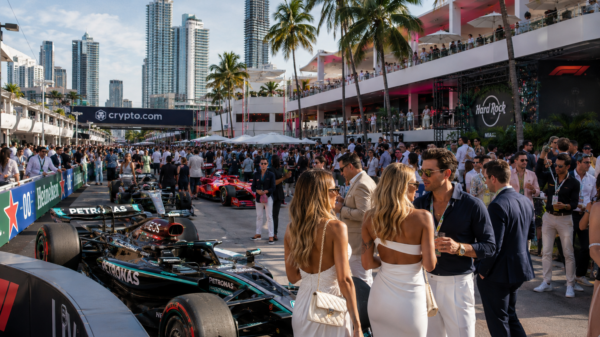
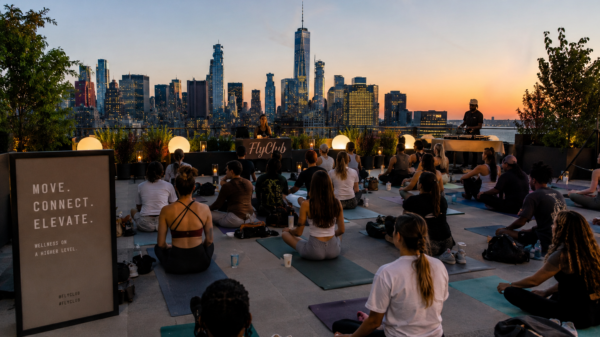
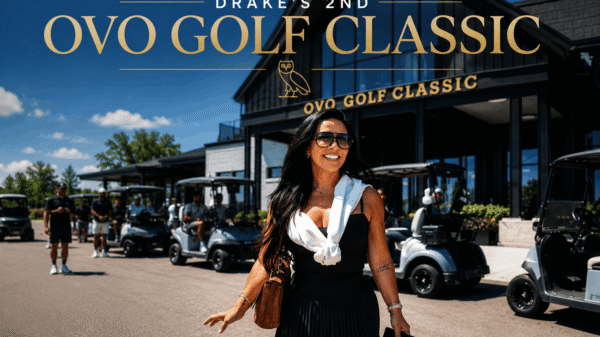
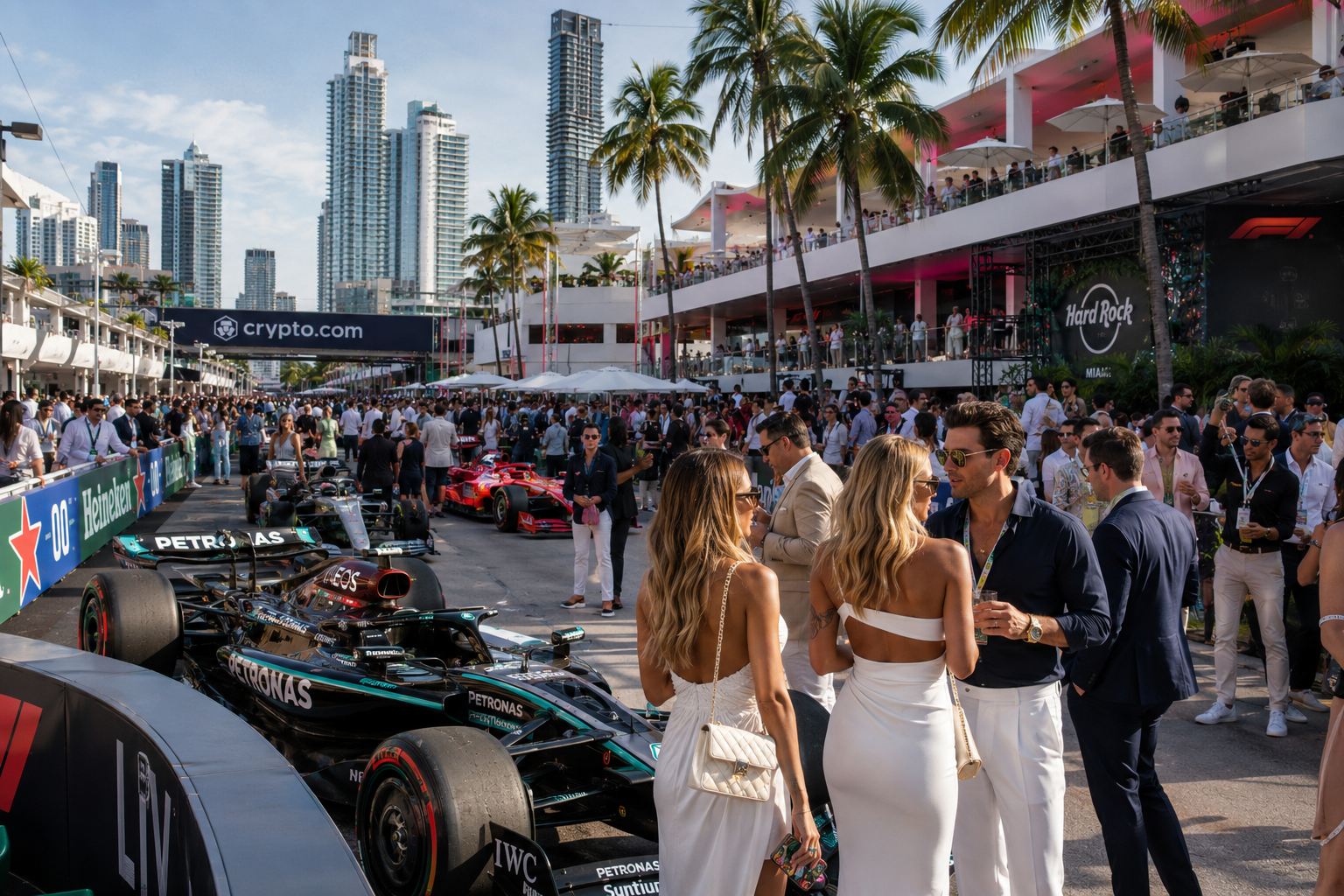
What started as an American expansion play for Formula 1 has quickly evolved into one of the biggest celebrity, nightlife, and luxury culture events in the world. Across Miami Beach, Wynwood, Brickell, and Downtown, the city transforms into a nonstop circuit of exclusive dinners, yacht parties, rooftop activations, VIP afterparties, and influencer-packed events that stretch far beyond the actual Grand Prix.
For one weekend every year, Miami stops feeling like a city hosting a race.
It feels like the center of global culture itself.
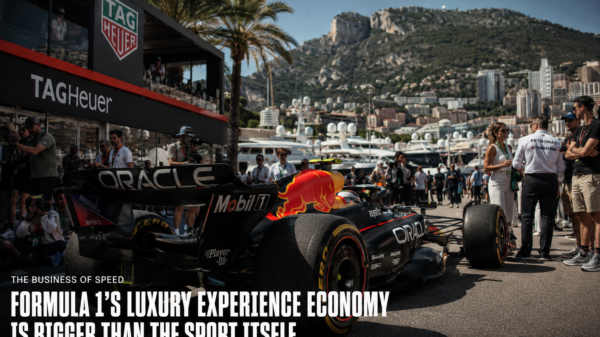
Formula 1 Miami Became the American Monaco
When Formula 1 officially launched the Miami Grand Prix in 2022, many critics questioned whether the city could authentically replicate the luxury energy associated with destinations like Monaco or Abu Dhabi.
Fast forward to 2026, and Miami didn’t just catch up — it built its own version of the Formula 1 experience entirely.
Today, Miami race weekend blends:
- celebrity nightlife
- luxury hospitality
- beach club culture
- high-fashion aesthetics
- influencer marketing
- yacht parties
- luxury retail activations
- exclusive dining experiences
- nightlife mega-events
The city essentially transforms into a four-day entertainment universe built around attention, access, and status.
According to Formula 1 official reporting, the Miami Grand Prix rapidly became one of the most culturally influential stops on the Formula 1 calendar due to its integration with entertainment, celebrity culture, and luxury hospitality.
The race became the centerpiece.
But the city became the stage.
LIV, E11EVEN, and Soho House Turned F1 Weekend Into Nightlife Olympics
One of the biggest reasons Miami F1 weekend exploded culturally is because the city’s nightlife infrastructure already existed at a world-class level before Formula 1 even arrived.
Venues like LIV Nightclub, E11EVEN Miami, and Soho House Miami already carried global nightlife credibility. Formula 1 simply amplified them into another stratosphere.
Throughout race weekend, nearly every major nightlife venue becomes filled with:
- athletes
- actors
- influencers
- musicians
- executives
- creators
- international tourists
- luxury brands
- F1 drivers
- VIP hospitality groups
And every event is designed for social media visibility.
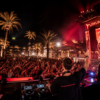
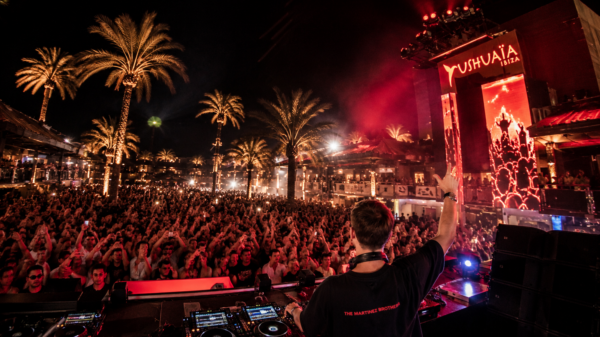
At LIV, surprise performances, celebrity DJs, luxury tables, and athlete appearances dominate Instagram and TikTok feeds throughout the weekend. E11EVEN has become especially known for all-night celebrity-heavy experiences that blur the line between nightclub, concert venue, and luxury entertainment space.
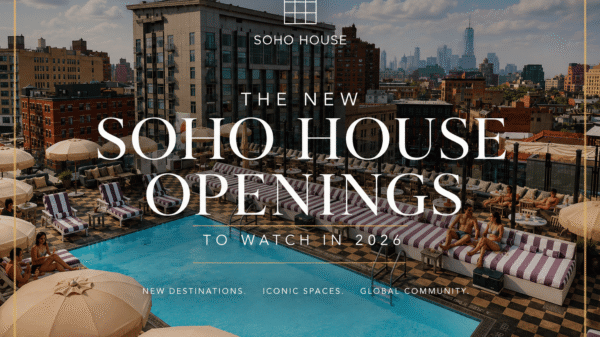
Meanwhile, Soho House Miami evolved into one of the weekend’s most important networking and cultural gathering spaces for creators, executives, fashion insiders, athletes, and entertainment figures.
Miami F1 weekend no longer feels like isolated nightlife events.
It feels like one giant interconnected social ecosystem.
Brands Treat F1 Miami Like a Cultural Super Bowl
Another major reason Formula 1 Miami has exploded is because brands increasingly treat the weekend like a global marketing opportunity.
Luxury fashion houses, tequila companies, watch brands, beauty labels, tech startups, hospitality groups, and automotive brands now launch activations specifically around Miami race weekend.
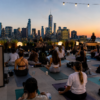
According to Adweek, Formula 1 Miami has rapidly become one of the most valuable experiential marketing environments in the United States due to its blend of luxury audiences, celebrity culture, and social media amplification.
The activations themselves often become as talked about as the race.
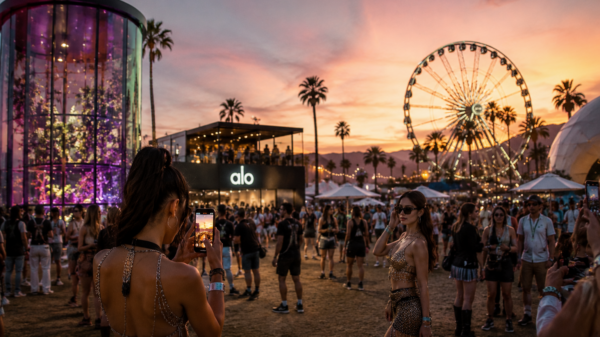
Pop-up lounges, rooftop dinners, yacht experiences, creator houses, immersive installations, and invite-only afterparties now dominate coverage across entertainment media and creator content.
The modern Formula 1 audience doesn’t just want racing anymore.
They want access to the world surrounding it.
Social Media Turned Miami F1 Into Global Internet Culture
One of the biggest drivers behind Miami F1 weekend’s rise is how visually perfect the city is for internet culture.
Palm trees. Exotic cars. Neon nightlife. Luxury hotels. Oceanfront parties. Celebrity sightings. Fashion-heavy crowds. Yacht culture. Rooftop dinners. Champagne parades.
Everything feels optimized for TikTok, Instagram Reels, and creator content.
That visibility transformed Miami F1 weekend into one of the most aspirational social weekends online. Even people who never watch Formula 1 now follow the nightlife, celebrity appearances, and cultural moments happening around the race itself.
According to Business Insider, Miami Grand Prix weekend increasingly attracts audiences more interested in entertainment, fashion, and luxury experiences than motorsport itself.
And Formula 1 appears completely comfortable with that evolution.
Formula 1 Understood the Modern Attention Economy
The most important thing Formula 1 figured out is that modern sports audiences don’t consume sports in isolation anymore.
Everything now overlaps:
- nightlife
- fashion
- creators
- music
- luxury travel
- social media
- celebrity culture
- hospitality
- experiential marketing
Formula 1 embraced that reality faster than almost any other sports league on earth.
And Miami became the perfect American expression of that strategy.
Because today, the Miami Grand Prix isn’t just a race weekend.
It’s one of the most important nightlife and cultural events on the global entertainment calendar.